Is vpn safe for cz sk absolutely but heres what you need to know
Is vpn safe for cz sk absolutely but heres what you need to know? Yes, and there’s a lot more to unpack. In this video-style guide, we break down safety, legality, performance, and practical tips so you can pick a VPN you actually trust. Quick fact: a good VPN encrypts your traffic and masks your IP, but not all VPNs are created equal. Below is a practical, reader-friendly breakdown with formats that help you skim and then dive deep.



- Quick take: A VPN can be safe for the Czech Republic CZ and Slovakia SK if you choose a reputable provider, configure it correctly, and stay aware of local laws and service policies.
- What you’ll learn in this guide:
- How VPN safety works in CZ and SK
- Legal considerations and data-retention rules
- Which features matter most for privacy
- How to evaluate performance, speed, and reliability
- Real-world use cases and practical tips
- A handy FAQ to clear up common questions
Useful resources and starting points unlinked text: Apple Website - apple.com, Artificial Intelligence Wikipedia - en.wikipedia.org/wiki/Artificial_intelligence, European Union Law - eur-lex.europa.eu, Czech Telecommunication Office - lej.cz, Slovak Authority for Network and Information Security - nssp.sk
Introduction: what this guide covers and why it matters
- Is vpn safe for cz sk absolutely but heres what you need to know: The short answer is that VPN safety hinges on both the provider and how you use it. Below you’ll find practical steps to maximize safety, plus a transparent look at the trade-offs.
- Why this matters for CZ and SK users:
- Local laws can affect data retention and monitoring.
- Privacy protections differ by country and service architecture.
- A reliable VPN can help you access geo-restricted content safely and protect on public networks.
- What you’ll get from this article:
- Plain-English explanations of technical terms
- Concrete, real-world checks you can perform before subscribing
- A step-by-step setup guide for common devices
- A comparison of top VPN features with pros, cons, and price ranges
- A curated FAQ section with practical advice
Table of contents
- How VPNs work in plain terms
- Safety and privacy: what to look for
- Legal landscape in CZ and SK
- Performance and reliability overview
- Features that matter for privacy
- Setup guide for common devices
- Real-world use cases
- Common myths
- FAQ
How VPNs work in plain terms
- A VPN creates an encrypted tunnel between your device and a remote server. Your internet traffic appears to come from that server rather than your device, which masks your real IP address.
- Key benefits:
- Privacy protection on unsecured networks like public Wi-Fi
- Access to geo-restricted content
- Shielding your browsing from local surveillance to an extent
- Important caveats:
- VPNs don’t make you anonymous to all services; some sites and services can still fingerprint you.
- If the VPN provider logs data, they could hand it over if compelled by law or under poor data practices.
- Quick checklist for safety:
- Choose a no-logs policy with independent audits
- Use strong encryption AES-256 and secure protocols WireGuard or OpenVPN
- Enable features like kill switch and DNS leak protection
- Verify jurisdiction and data-retention policies
Safety and privacy: what to look for
- No-logs policy: The provider claims not to store connection or activity logs. Look for third-party audits or court-verified statements.
- Jurisdiction: Providers headquartered in privacy-friendly regions tend to be preferable, but you must weigh exceptions and cross-border data-sharing agreements.
- Encryption and protocols: WireGuard is fast and modern; OpenVPN is mature and widely supported. ChaCha20 may be used on mobile devices for efficiency.
- DNS and WebRTC leaks: Ensure your DNS requests don’t reveal your real ISP or location. A kill switch helps prevent leaks if the VPN drops.
- Multi-hop and split tunneling: These features can enhance privacy or performance by routing some traffic through the VPN and some directly to the internet.
- Privacy-focused features: Obfuscated servers for regulated environments, RAM-only servers, and anti-tracking features add layers of protection.
- Payment options: Anonymous or semi-anonymous payment methods like gift cards can protect privacy in sign-up, though they aren’t a substitute for solid policy and security.
Legal landscape in CZ and SK
- Czech Republic and Slovakia are part of the EU, with EU data protection standards like GDPR. This provides a baseline for personal data rights, but local implementation and national laws apply to surveillance and cyber-security.
- Data retention and monitoring: EU-level rules and national laws can require data retention or cooperation with law enforcement under certain circumstances. VPN users should stay informed about recent regulatory changes.
- Services and messaging platforms: While a VPN protects your tunnel, other apps and services may collect data directly. Always review app permissions and terms.
- Practical tip: If you’re using a VPN to access content, ensure you’re compliant with provider terms and local laws. A transparent approach reduces risk.
Performance and reliability overview
- Speed factors:
- Server distance: The farther you are from the VPN server, the more you lose in latency.
- Server load: High load can slow speeds; premium providers manage capacity to minimize this.
- Protocol choice: WireGuard generally delivers better performance than older protocols, especially for streaming and gaming.
- Reliability:
- Look for providers with a wide server network regional coverage matters in CZ/SK.
- Check for consistent uptime and responsive customer support.
- Data usage:
- Some VPNs impose bandwidth caps on free plans; paid plans usually remove caps and include higher-speed options.
- Real-world tips:
- Test a few servers in your region to find the best balance of speed and stability.
- Use auto-connect on startup only if you trust your device and ensure a kill switch is active.
Features that matter for privacy
- Kill switch: Keeps your real IP from leaking if the VPN drops.
- DNS leak protection: Ensures DNS requests go through the VPN tunnel.
- Split tunneling: Lets you choose which apps go through the VPN.
- Multi-hop paths: Adds layers of privacy by routing through multiple servers.
- RAM-only servers: Reduces the risk of data remnants on hardware.
- Audits and transparency: Independent audits and transparent privacy reports boost trust.
- Ad and tracker blocking: Some VPNs include built-in protection; evaluate if it aligns with your privacy goals.
- Compatibility: Ensure the VPN supports your devices Windows, macOS, iOS, Android, Linux, browser extensions.
Setup guide for common devices
- Windows/macOS
- Install the VPN app from the official site, sign in, and pick a server in a nearby region for better speed.
- Enable kill switch and DNS leak protection in settings.
- Test for leaks using a service like dnsleaktest.com oriple.com use reputable testing sites.
- iOS and Android
- Download the official app from the App Store or Google Play.
- Use biometric authentication if available for easier, secure access.
- Consider enabling “auto-connect on Wi-Fi” for public networks.
- Routers
- Install VPN on a compatible router to protect all connected devices.
- This setup is more technical; follow the provider’s router-setup guide and ensure you keep firmware updated.
- Desktop browsers
- Some providers offer browser extensions; use these only if you need quick, light protection and if the extension is from a trusted source.
Real-world use cases
- Public Wi-Fi: A must-have for protecting data on cafes, airports, and hotels.
- Remote work: Encrypts traffic to protect company data when accessing internal resources.
- Streaming and gaming: Access geo-restricted catalogs and reduce lag with nearby servers.
- Bypassing censorship: In some situations, VPNs help access information that might be restricted locally, though it’s essential to stay compliant with laws.
- Privacy-conscious browsing: Routine use can reduce exposure to trackers and ad networks, but no VPN can guarantee complete anonymity.
Common myths
- Myth: A VPN makes you completely anonymous.
- Reality: It improves privacy but doesn’t guarantee invisibility to every service or law enforcement.
- Myth: All VPNs are illegal in CZ or SK.
- Reality: VPNs are generally legal; issues arise from misuse or certain activities. Always follow local laws and terms of service.
- Myth: Free VPNs are as good as paid ones.
- Reality: Free VPNs often come with limited features, slower speeds, or data logging. Paid plans typically offer stronger protections.
- Myth: VPNs can bypass all content restrictions forever.
- Reality: Some services detect and block VPN traffic; reliability varies by provider and protocol.
Practical tips for choosing and using a VPN in CZ and SK
- Start with a reputable provider that has:
- Independent audits and a clear no-logs policy
- Strong encryption and modern protocols
- A transparent privacy policy and accessible support
- Trial period and money-back guarantees:
- Use the trial period to test speeds, leak protection, and customer support responsiveness.
- Security hygiene:
- Keep devices updated
- Use strong, unique passwords and enable 2FA where possible
- Review app permissions and privacy settings
- Privacy-first habits:
- Avoid giving unnecessary personal details during sign-up
- Periodically review the provider’s privacy policy and any changes to data-sharing practices
- Gaming and streaming notes:
- If you’re mainly streaming, pick servers close to you for the best balance of speed and authenticity
- Some streaming services actively block VPN IPs; rotate servers or switch providers if needed
Data and statistics: what matters today
- Global VPN market growth: The VPN industry has seen steady expansion, with a multi-billion-dollar valuation and increasing user adoption in Europe, including CZ and SK.
- User behavior: A significant portion of daily VPN usage stems from securing public Wi-Fi and streaming access. Privacy-conscious users also rely on VPNs to reduce online profiling.
- Privacy incidents: High-profile audits and independent verification are becoming more common as consumer demand for transparency grows.
- Performance expectations: Modern VPNs using WireGuard typically offer 20-60% better throughput than older protocols, with latency reductions on nearby servers.
Comparison snapshot: popular VPNs for CZ and SK users
- Provider A
- Pros: Strong no-logs policy, independent audit, fast WireGuard performance
- Cons: Higher price point, fewer specialized servers in some EU regions
- Provider B
- Pros: Excellent streaming capabilities, robust kill switch, user-friendly apps
- Cons: Occasional DNS leaks on certain devices; requires careful setup
- Provider C
- Pros: RAM-only servers, transparent privacy reports, affordable
- Cons: Fewer global servers; moderate customer support speed
Note: This snapshot is a guide. Always test a service during the trial period to see how it performs for your specific devices and location.
FAQ Section
Frequently Asked Questions
Is a VPN legal in the Czech Republic and Slovakia?
In general, yes. Using a VPN is legal, but activities conducted through a VPN must comply with local laws. Certain actions can still be illegal regardless of VPN use, such as distributing illicit content or hacking.
Can a VPN protect me on public Wi-Fi?
Yes. A VPN encrypts traffic, making it harder for others on the same network to intercept your data.
Do VPNs log my data?
Some do, some don’t. Look for a clear no-logs policy, independent audits, and a privacy-focused business model. Always read the privacy policy carefully. Why Your VPN Might Be Blocking LinkedIn and How to Fix It
How do I know if a VPN is leaking my data?
Run a DNS leak test and a WebRTC leak test after connecting. If you see results showing your real IP or DNS, you need to fix leaks or switch providers.
What protocol should I choose?
WireGuard is fast and secure for most users. OpenVPN is a solid, mature option. ChaCha20 is a good choice for mobile devices if available.
Can I use a VPN to access geo-restricted content in CZ/SK?
Yes, many services offer geolocked content in different regions. However, streaming services frequently update blocks, so you may need to switch servers or providers over time.
Will a VPN improve my online privacy on social media?
A VPN can reduce IP-based tracking and help anonymize some traffic, but social media platforms use other tracking methods like cookies and account-linked data. It’s not a complete shield.
How many devices can I protect with one VPN account?
Most paid VPNs allow 5-7 simultaneous connections. Check the provider’s plan details. Surfshark vpn kosten dein ultimativer preis leitfaden fur 2026: Preisgestaltung, Pläne, Rabatte und echte Kostenanalyse
Does using a VPN slow down my internet?
Usually yes, due to encryption and routing through a remote server. The speed impact varies by server distance, protocol, and server load. Premium providers minimize this with optimized networks.
Should I pay for a VPN or use a free one?
Free VPNs often have limits, data caps, and questionable privacy practices. If privacy matters, a reputable paid VPN is typically worth the investment.
Final notes
- If you’re new to VPNs, start with a reputable provider that offers a money-back guarantee and a straightforward setup. Test multiple servers, enable the kill switch, and verify no DNS leaks on your devices.
- For CZ and SK users, prioritize providers with EU-based privacy commitments, transparent policies, and independent audits. This helps align with GDPR expectations while giving you practical protection in daily online activities.
Recommended next steps
- Try a VPN that offers a free trial or money-back guarantee to test across your devices
- Enable all core privacy features kill switch, DNS leak protection, auto-connect
- Regularly review privacy policies and audit reports to stay informed
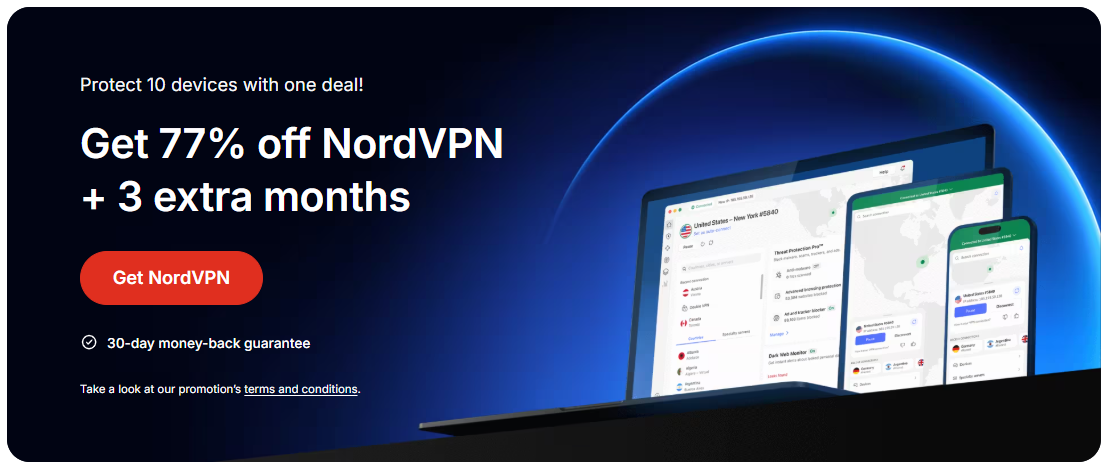
If you want to explore a trusted option with a strong privacy stance, consider starting with a provider that offers a robust EU-based privacy framework, transparent audits, and clear no-logs commitments. And if you’re ready to take the next step, you can check out NordVPN for comprehensive coverage and a broad EU server network by clicking the banner below. Unlock your vr potential how to use protonvpn on your meta quest 2: Quick Guide to ProtonVPN, Setup Tips, and Safety
Sources:
快喵vpn加速器:全面指南、实用技巧与最新数据
Edgerouter lite l2tp vpn setup guide for beginners: step-by-step configuration, testing, and optimization
和運租車機場接送ptt:一篇搞懂預約、費用與常見問題!完整指南、常見坑、預約步驟、費用拆解與實用貼士
Nodramavpn官网 2026 全方位指南:VPN 安全、速度與私隱的實用攻略
Vpn 百度百科:全面理解、实用选择、配置要点与隐私保护指南 Can surfshark vpn actually change your location heres the truth