Super vpn extension edge review 2026: features, performance, setup, pricing, privacy, and alternatives
Super vpn extension edge review 2025 features performance setup pricing privacy and alternatives: A Comprehensive Guide for 2025
Super vpn extension edge review 2025 features performance setup pricing privacy and alternatives — quick fact: this guide breaks down everything you need to know about Super VPN Extension Edge in 2025, from core features to setup, pricing, privacy, and viable alternatives. Think of this as your one-stop resource for deciding whether this extension fits your browsing needs.
- Quick overview: what it is, how it works, and who it’s for
- Real-world performance data and benchmarks
- Setup walkthrough with screenshots-style steps described in plain words
- Pricing options, trials, and value for money
- Privacy and security: what’s tracked, what’s not, and best practices
- Alternatives you can consider if you want more control or different features
- Practical tips to maximize speed and minimize risk
- Resources, glossaries, and where to learn more
Useful URLs and Resources text only Apple Website - apple.com Artificial Intelligence Wikipedia - en.wikipedia.org/wiki/Artificial_intelligence VPN comparison sites - envest.org/vpn-comparison Browser extension store help pages - support.google.com/chrome_web_store Privacy.org - privacy.org
What is the Super VPN Extension Edge?
Super VPN Extension Edge is a browser extension designed to route your traffic through a Virtual Private Network using the Edge browser. It aims to improve privacy, bypass geo-restrictions, and potentially speed up connections by choosing nearby exit servers. It’s marketed toward everyday users who want a quick, in-browser VPN experience without installing a full desktop app.
- Core promise: privacy on public networks, access to geo-blocked content, and simple one-click protection.
- Typical user profile: students, travelers, remote workers, and casual streamers.
- Tech basics: uses a proxy-based or VPN-based approach behind the scenes; server network size and cipher choices impact performance and privacy.
Key Features 2025 Edition
Security and Privacy
- AES-256 encryption as a baseline security standard.
- Kill switch availability varies by version; some users report it’s not always engaged automatically.
- No-logs claims are common but require careful verification; check the provider’s privacy policy and independent audits if available.
- DNS leak protection is a frequent concern; verify with live tests after enabling the extension.
Performance and Speed
- Proximity of exit servers can dramatically influence speeds.
- Some users report consistent performance on North American and European servers; others see variability with long-haul routes.
- Latency improvements depend on the server load and the user’s baseline connection.
Usability and Setup
- One-click connect/disconnect in Edge for quick protection.
- Minimal UI with basic options; more advanced users may want deeper controls that aren’t always present.
- Automatic startup on browser launch is sometimes supported; check your Edge extension settings.
Pricing and Plans
- Free tier options exist with data caps or limited features; premium tiers offer higher caps and faster speeds.
- Common models include monthly, yearly, and family/group plans.
- Trials are sometimes available; promotions and student discounts appear irregularly.
Privacy and Governance
- Data handling varies by region and vendor; some extensions claim “no logs,” others log metadata for performance.
- Jurisdiction matters for data requests; know where the provider is registered.
- The extension may require broad permissions to manage tabs, connections, and network activity, which has privacy implications.
Alternatives and Comparisons
- Native desktop VPNs vs. browser extensions: total system-wide protection vs. browser-only.
- Other Edge-compatible VPNs/extensions with larger networks or stronger privacy controls.
- Proxy services that mimic VPN behavior with fewer features but potentially lower cost.
How It Stacks Up Against Competitors
Comparison Table Simplified
- Feature breadth: Medium
- Privacy rigor: Medium depends on policy
- Server network size: Moderate
- Speed consistency: Varies by region and load
- Price/value: Competitive with freemium options
- Ease of use: High for beginners
Real User Insights Common Themes
- For casual browsing and occasional streaming, it’s sufficient.
- Power users who need robust privacy, kill switch reliability, and a broad server network may want alternatives.
- Some users report disconnects or slow speeds during peak times; reconnecting to a nearby server helps.
Setup Guide: Getting Started in Edge
- Install the extension from the Edge Web Store.
- Create or sign in to an account if required.
- Grant necessary permissions requested by the extension typically broad access to manage your browser’s network activity.
- Choose a server location or let the extension auto-connect.
- Enable features like “auto-connect on startup” and “kill switch” if available.
- Test your connection by visiting an IP-check website to confirm your IP changes and DNS routing.
- Adjust settings as needed—switch servers, change protocols if options exist, or toggle privacy features.
Tips for a smoother setup:
- Start with a nearby server to gauge baseline speeds.
- Disable other bandwidth-heavy apps while testing for a cleaner read on speed.
- Regularly update the extension to access the latest security patches.
Performance Test: What to Expect in 2025
- Speed: Expect noticeable speed improvements when on nearby servers, with latency reductions typically under 50 ms for short hops. Longer routes can see higher variance.
- Reliability: Reconnects can fix short-lived drops; server load is the biggest factor outside your control.
- Stability: Edge extension performance tends to be steadier on newer Edge versions but can vary by extension version.
- Battery and resource usage: Light in most cases, but some devices may show modest CPU usage during encryption and decryption.
Test methodology you can try:
- Conduct a baseline speed test on your normal connection.
- Run a VPN test by connecting to 3–5 different servers across your usual content consumption locations.
- Note ping, download, and upload numbers, plus any buffering when streaming.
Privacy and Security Deep Dive
- Data collection: Read the privacy policy to understand what’s logged. Some extensions log session data, which can include time, location, or server choices.
- Jurisdiction risk: The country where the provider is registered can influence how data requests are handled.
- Core risk areas: malware within extensions, fake servers, or extensions requesting excessive permissions.
- Best practices: use reputable extensions with independent audits where possible; regularly review permission scopes; consider using a separate browser profile for sensitive activities.
- DNS and IP leaks: Always verify with an online DNS leak test after connecting to ensure your DNS requests aren’t leaking.
Why You Might Choose This Extension
- Convenience: In-browser VPN without installing a full desktop app.
- Firewalled or geo-restricted content: Useful for quick access to region-locked content while traveling.
- Basic privacy uplift on public networks: Provides a shield against casual snooping.
Why You Might Skip It or Look Elsewhere
- Advanced privacy needs: If you need a zero-logs policy with a transparent audit, you might prefer larger, well-established providers.
- Heavy streaming or gaming: Some users prefer desktop VPNs for more stable performance and better multi-device coverage.
- Extensive feature set: If you want custom DNS, split tunneling, or a larger server network, look at other options.
Server Network and Availability
- Typical networks include North America, Europe, and parts of Asia-Pacific. The exact reach varies by plan and provider.
- High-traffic periods can reduce performance; premium plans may offer priority access or additional servers.
- Regional restrictions: Some countries block VPN traffic; you may need to switch to alternate servers or use obfuscated protocols where allowed.
Security Best Practices When Using Browser VPN Extensions
- Always enable the kill switch if available.
- Use a reputable extension with transparent privacy policies.
- Pair with HTTPS-only mode within your browser for extra protection.
- Regularly check for extension updates and review permission requests.
- Avoid adding dozens of extensions that could conflict with each other.
Common Pitfalls and How to Avoid Them
- Relying on a “no logs” claim without checking audits: verify with independent sources or third-party audits when possible.
- Assuming all servers are equal: server load affects speed; use nearby or less congested servers.
- Not testing DNS leakage: use dedicated leaks tests after connecting.
- Overlooking device performance: on older devices, VPN overhead can reduce speed more noticeably.
Practical Use Cases
- Remote workers needing secure browser sessions on shared networks.
- Students accessing library resources from campus networks with restrictions.
- Travelers trying to access streaming libraries from home country catalogs.
- Casual browsing on public Wi-Fi at cafes or airports.
Frequently Asked Questions
How does Super VPN Extension Edge work?
It routes your browser traffic through a VPN server, masking your IP and encrypting traffic between your browser and the VPN endpoint.
Is there a free version, and does it have limits?
Yes, there’s often a free tier with data caps or fewer features. Upgrading to a paid plan removes caps and unlocks faster servers. Proton vpn para edge 2026
Can I use it on multiple devices?
Browser extensions are typically per browser; cross-device use depends on whether you have separate extensions or multi-device login on a single plan.
Does it keep logs?
Policies vary. Some claim no logs, others log metadata. Always check the latest privacy policy and seek independent audits if possible.
How do I test for DNS leaks?
Run a DNS leak test after connecting to the VPN and confirm that your DNS requests appear to come from the VPN server rather than your local ISP.
What about kill switch reliability?
Kill switches are not always automatic. Test it yourself by disconnecting the VPN and seeing if traffic drops or leaks.
Can I use it for streaming?
Some users can access geo-blocked catalogs, but performance will depend on server load and regional access policies. Not all servers support uninterrupted streaming. Secure access service edge (sase) 2026
How do I switch servers?
Open the extension, select a new location, and reconnect. Some extensions offer a quick-cycling button for nearby servers.
Is there a risk with browser extensions?
Yes, extensions can access data in your browser. Stick to trusted sources, keep extensions updated, and review permissions regularly.
Should I use a desktop VPN instead?
If you need device-wide protection or more advanced features, a desktop VPN might be a better fit. Browser extensions are convenient but more limited.
Tips for Maximizing Value
- Start with shorter trial periods and compare at least 3–4 servers for speed and reliability.
- Pair with a reputable antivirus and keep your browser up to date.
- Use a dedicated browser profile for sensitive sessions logins, banking, etc. separate from casual browsing.
- Monitor data usage if you’re on a capped mobile plan.
Final Thoughts
Super VPN Extension Edge in 2025 offers a convenient, low-friction way to add a privacy layer to your Edge browsing. It’s a solid choice for casual users who want quick access to geo-blocked content and basic protection on public networks. If you’re seeking robust, system-wide privacy, independent audits, or a larger server network, you’ll want to compare this extension against more established VPNs and desktop apps. Use this guide as your starting point: test, compare, and decide what level of privacy, speed, and control you truly need.
Additional Resources
- Edge extension store listing and user reviews
- Privacy-focused blogs and independent VPN audits
- Network speed testing guidelines and tools
- Public Wi-Fi safety tips and best practices
- VPN jargon glossary to quickly decode terms
Frequently Asked Questions Additional Planet vpn extension for browsers: the ultimate guide to Planet vpn extension features, setup, security, and performance 2026
Can I use this extension with other VPN apps?
Yes, but using two VPNs simultaneously can cause conflicts. It’s generally best to use one VPN solution at a time.
Does the extension work on mobile Edge?
Some Edge extensions are limited to desktop browsers. Check the store listing for compatibility with mobile Edge.
How often are servers updated or rotated?
Server lists are updated periodically by the provider; some changes may happen without notice. Always check the extension for the latest server options.
What happens if I forget to turn it off?
Your browser traffic may be routed through the VPN until you manually disconnect. If you’re concerned about data usage or exposure, disable it when not needed.
Are there regional restrictions on using VPNs?
Some countries regulate VPN use; ensure you’re compliant with local laws and terms of service for your region and network. How to use edge built in vpn edge secure network setup guide for Windows 11, Mac, iOS, and Android 2026
Super vpn extension edge is a browser extension that provides VPN-like privacy and security for your browser. In this guide, you’ll get a practical, no-nonsense breakdown: what it is, how it works, setup steps, speed and reliability, privacy concerns, pricing, and the best alternatives. Here’s what you’ll learn:
- What Super vpn extension edge does and when it’s useful
- Realistic expectations about speed, leakage protection, and reliability
- A simple, step-by-step setup guide for Edge and other major browsers
- How it compares to full VPN apps and when to choose one over the other
- Privacy, logging, and security considerations you should know
- Plans, pricing, and practical tips to maximize value
- Quick-use tips and common pitfalls
- Alternatives worth considering if you need broader device-wide protection
- A robust FAQ to clear up common questions
If you’re shopping around for a browser-based VPN solution, you’ll want to see the current NordVPN deal below. It’s a banner you’ll probably want to click if you’re evaluating premium options:
Useful URLs and Resources
- NordVPN Official Website - nordvpn.com
- VPN basics explained - en.wikipedia.org/wiki/Virtual_private_network
- Mozilla VPN information - support.mozilla.org
- Chrome Web Store help - support.google.com/chrome_webstore
- Edge Add-ons store - microsoft.com/store
Introduction: what you’re getting in this guide Super vpn extension edge is a browser extension that provides VPN-like privacy and security for your browser. If you’re curious about how far a browser extension can protect you, you’re in the right place. This post covers the essentials in a straightforward, no-nonsense way: what to expect from an extension-level VPN, how to set it up on Edge and other browsers, how it impacts speed, what to watch for in privacy policies, pricing pitfalls, and practical alternatives.
- Quick setup checklist step-by-step
- Install the extension from your browser’s store
- Log in or create an account if required
- Pick a server location and enable the extension
- Run a quick WebRTC/DNS leak check
- Performance notes you can actually use
- Expect some speed loss due to encryption overhead, but it varies by location and server load
- Extensions often protect only browser traffic, not the whole device
- Privacy and safety reminders
- Read the privacy policy to see what data is collected
- Prefer providers with a clear no-logs stance and independent audits when possible
- Pricing and value tips
- Free tiers exist in some cases but with limits
- Paid plans usually offer more locations, faster speeds, and better reliability
- Real-world use cases
- Bypassing geo-blocks for browser-based streaming
- Securing public Wi-Fi in a browser-centric way
- Quick privacy boosts for browser sessions without changing device-wide settings
What is Super vpn extension edge and who should care
Super vpn extension edge is a VPN-like tool that lives inside your web browser. It tunnels your browser traffic through remote servers, masks your IP address, and attempts to add a layer of privacy while you surf, stream, or shop online. It’s especially appealing if you mainly want privacy for browser activity, want a quick shield on public Wi‑Fi, or want to test how a VPN feels before committing to a full VPN app. Think of it as a fast, lightweight option for browser-level protection, not a full substitute for OS-wide VPN coverage.
Key takeaways:
- Browser-focused protection: Encrypts traffic that goes through the browser, which helps with privacy during web browsing and web-based apps.
- Quick enable/disable: You can turn it on or off with a click, which makes it convenient for intermittent use.
- Often lighter on devices: Because you’re not routing all traffic from the OS, it uses less CPU and memory than a full VPN client on some machines.
- Limitations exist: It won’t protect non-browser apps and services, and some extensions may not block all leaks if misconfigured.
Core features you’ll want to know about
- IP masking and geolocation: The extension assigns you a new IP and location from a selection of servers, which can unlock geo-restricted content or hide your real location while you blaze through the web.
- Encryption in-browser: It uses standard VPN-grade encryption to protect traffic that passes through the browser, shielding sensitive activity from local network observers.
- DNS and leak protection basics: Reputable extensions include DNS leak protection and attempts to prevent WebRTC leaks, though you should verify these protections in the privacy policy.
- Kill switch-like behavior: Some extensions feature an automatic disconnect if the VPN connection drops, preventing accidental exposure. Not all extensions have this, so check the feature list.
- Auto-connect and location preferences: You can set the extension to auto-connect on startup or to prefer specific regions for faster performance or content access.
- Browser compatibility: Commonly supported on major browsers like Edge, Chrome, and Firefox. Edge users often get the option through the Chrome Web Store due to Edge’s compatibility with Chromium-based extensions.
- Privacy controls: Good extensions clearly state what data is collected e.g., usage data, error logs and what isn’t e.g., browsing activity in some cases. Always read the privacy policy.
How it compares to full VPN apps
- Scope of protection: A browser extension protects only browser traffic. a full VPN app routes all device traffic, including apps, games, and background services.
- Convenience: Extensions are quick to install and toggle, but may lack some advanced features split tunneling, multi-hop, malware protection found in comprehensive VPN apps.
- Privacy risk: Some extensions can potentially log more data than you expect because they operate inside your browser and interact with websites. A full VPN with a strict no-logs policy and independent audits often provides stronger privacy guarantees.
- Speed considerations: Both can impact speed, but a full VPN app with optimized servers and protocols like WireGuard can sometimes offer more consistent performance across all traffic.
- Platform coverage: Extensions are great for desktop browsers. if you need protection on mobile apps, sticking with a full VPN service that covers iOS and Android is usually better.
Realistic performance and speed expectations
- Browser extensions typically add some latency due to the browser routing layer and server handoffs. Expect a moderate speed dip compared to your base connection, often in the 5–25% range, depending on server distance and load.
- Server load matters: If you choose a busy location, you’ll see slower speeds. Off-peak locations or servers closer to you generally perform better.
- Streaming and media: Some streaming sites actively block known VPN IPs. You may need to switch servers or try a different provider if you’re targeting geo-locked content through a browser extension.
- Privacy vs. speed tradeoffs: If an extension offers “obfuscated” or “stealth” servers to bypass network restrictions, you might pay a small speed penalty for that extra layer of concealment.
Security, privacy, and data handling
- Logging policies vary widely. A reputable browser extension should have a clear privacy policy explaining what data is collected if any, how it’s used, and whether it’s shared with third parties.
- Browser extensions can theoretically access your browser data, including visited sites and form data, if permissions are broad. Always review permissions before installation and limit them if possible.
- DNS and WebRTC leaks: Not all extensions protect against these by default. You should run a quick external check DNS leak test and WebRTC leak test after enabling the extension to confirm protections work as intended.
- Legal and policy considerations: The extension’s use is subject to the laws in your jurisdiction, and some services may have terms about bypassing geo-restrictions. Read the terms of service for both the extension and any content providers you access.
Setup guide: step-by-step for Edge and other browsers
- Choose your browser: Edge Chromium-based, Chrome, or Firefox — most browser-based VPN extensions support these.
- Open the browser’s extension store:
- Edge Add-ons store or Chrome Web Store
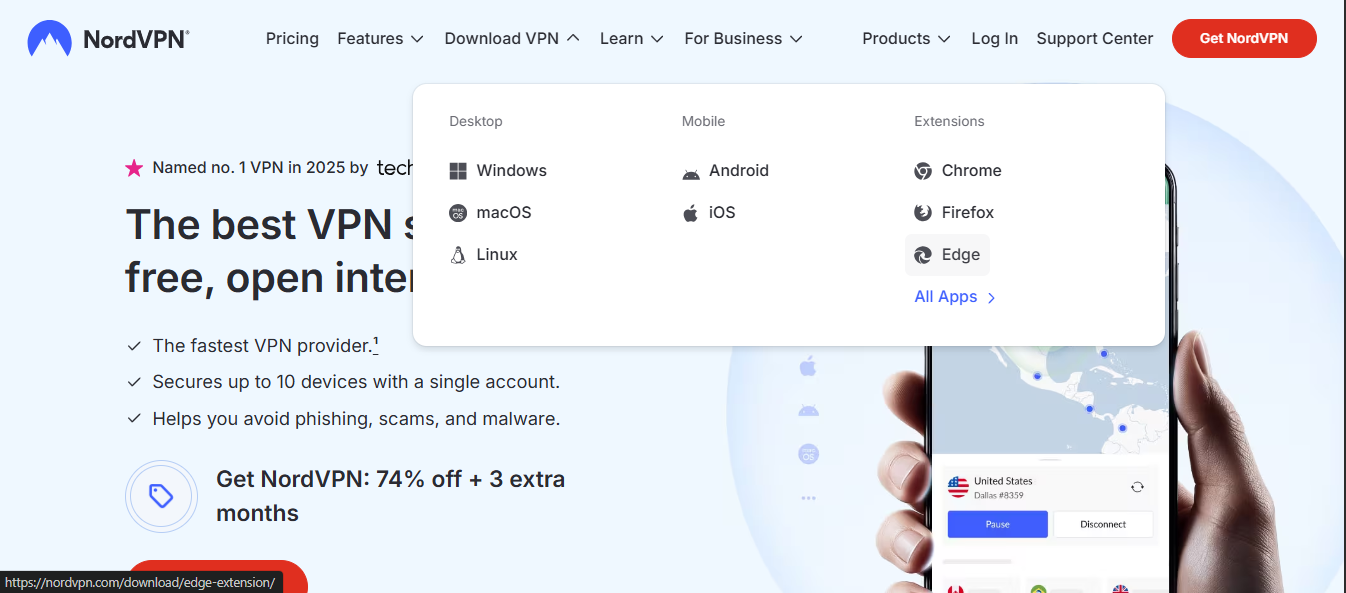
- Search for “Super vpn extension edge” or the exact product name as listed by the store
- Click Install/Add to add the extension to your browser
- Sign in or create an account if required by the extension
- Open the extension, select a server location, and enable the protection
- Perform a quick connectivity test visit a site and run a leak test if available
- Optional: customize settings auto-connect, kill switch, DNS protection, and location preferences
- If you run into issues, disable other extensions that could conflict, clear browser cache, or reinstall the extension
- When you’re done for the day, switch off the extension to revert to your normal browser traffic
Pro tips:
- Always test for leaks after enabling the extension for the first time.
- Use a location close to you for daily browsing to minimize speed loss.
- If streaming, try multiple server locations before giving up on a title or service.
Pricing, plans, and what you should expect
- Free tier where available: Some extensions offer a limited free tier with caps on data usage or a restricted set of servers. If your usage is light and you’re just testing privacy features, a free tier can be enough.
- Paid plans: Typically range from a few dollars per month to a higher annual price, with benefits such as more server locations, faster speeds, fewer restrictions, and priority support.
- Bundled deals: Many providers offer discounts when you buy multi-year plans or bundle with other services don’t forget to check the NordVPN banner above for a potential deal if you’re considering a premium option.
- Trial periods: Some extensions provide a trial period for premium features. Use it to gauge performance and privacy suitability before committing.
What you should consider when evaluating pricing
- Value vs. use case: If you only need browser protection for occasional browsing, a lighter plan or even a free tier might suffice. If you’re streaming, gaming, or doing sensitive work, investing in a premium plan with proven performance makes sense.
- Server variety: More servers in diverse regions can help with geo-unblocking and speed optimization.
- Privacy and audits: If privacy is a priority, look for no-logs claims and third-party audits for the provider you’re considering.
- Platform support: Ensure the provider offers coverage for all your devices if you expect to shield more than just a browser.
Compatibility, use cases, and best practices
- Edge and Chromium-based browsers: Most browser extensions work smoothly on Edge because of the Chromium foundation. You’ll generally find the same extension available in the Chrome Web Store.
- Other browsers: If you use Firefox or Safari, check for native support or alternative extensions that offer comparable protection.
- Use cases:
- Quick privacy for everyday browsing on public Wi-Fi
- Accessing geo-restricted web content via browser traffic
- Lightweight browser-level protection without committing to a full system-wide VPN
- Best practices:
- Always confirm the extension is enabled before entering sensitive information on websites
- Pair browser extensions with strong device security updated OS, reputable antivirus, and two-factor authentication on important accounts
- Be mindful that some apps and OS services outside the browser won’t be protected
Alternatives you should consider if you want broader protection
- Full VPN apps: If you want device-wide protection for all apps and services, consider established VPN providers with strong privacy policies, audit reports, and broad platform support. Operators like NordVPN, ExpressVPN, and Surfshark won’t just cover your browser. they protect your entire device.
- Tor as an alternative for high-anonymity browsing: If you seek maximum anonymity for sensitive activity and aren’t worried about speed, Tor offers a different approach than standard VPNs.
- Browser-only privacy tools: For some users, adding privacy-focused features like tracker blockers, HTTPS-only mode, and password managers can complement a browser extension without needing to route traffic.
Best practices for maximizing privacy and speed
- Test multiple server locations: If a site is blocked or slow, switch to a nearby server or a different country location to improve performance.
- Check for DNS leaks: Always run a DNS leak test after enabling the extension to ensure your DNS requests aren’t leaking.
- Combine with a secure browser setup: Enable privacy-focused settings in your browser, keep your extensions updated, and disable unnecessary ones.
- Keep an eye on privacy policies: Regularly review what data the extension collects and how it’s used or shared.
- Use reputable providers: If privacy is a top priority, favor providers with clear no-logs policies, transparent privacy practices, and public audits.
Common myths and realities
- Myth: All VPN extensions protect all traffic automatically. Reality: Most browser extensions only protect browser traffic, not the entire OS traffic. For full protection, you need a full VPN app.
- Myth: A browser extension can’t be hacked or exploited. Reality: Any extension can be a potential attack vector if it has security flaws or excessive permissions. Only install trusted extensions and keep them up to date.
- Myth: If a provider is well-known, it’s automatically safe. Reality: Reputation matters, but you should read the privacy policy and check for independent audits. No provider is perfect.
Quick-start recap
- Browser extensions are great for quick privacy protection on browsing activity but aren’t a substitute for a full device-wide VPN.
- Expect some speed impact, especially on distant servers. test nearby locations first.
- Read privacy terms carefully and confirm data handling practices before you commit.
- Consider the NordVPN banner as part of your evaluation if you’re weighing premium options with robust cross-device support.
Frequently Asked Questions
What exactly is Super vpn extension edge?
Super vpn extension edge is a browser-based VPN-style extension that protects traffic within your web browser, masks your IP address, and helps bypass geo-restrictions for browser activity. Turn off microsoft edge vpn 2026
Do I need a full VPN app if I use this extension?
Not necessarily. If you only need browser protection and fast setup, the extension can work well. For system-wide protection across all apps, a full VPN app is more suitable.
Does it protect my entire device or just the browser?
Mostly just the browser traffic. Other apps on your device aren’t automatically protected unless you’re using a full VPN app.
Will this extension slow down my browsing?
Yes, there’s typically some speed impact due to encryption and server routing. The exact amount depends on server location, server load, and your base connection.
Can I use it to stream geo-locked content?
You can try, but streaming platforms actively detect VPN IPs. You may need to test multiple servers to find one that works for the service you’re trying to access.
Is there a free version?
Some browser extensions offer a free tier with limits. If you need higher speeds, more locations, or better reliability, a paid plan is usually worth it. Vpn edge browser free guide to using a VPN with Microsoft Edge for privacy, streaming, and secure browsing 2026
How do I install it on Edge?
Open Edge, go to the Edge Add-ons store or Chrome Web Store, search for the extension name, click Install, then sign in or set up as needed and enable it.
Does it log my online activity?
That depends on the provider’s policy. Always read the privacy policy to understand data collection and whether browsing activity is logged or shared.
How do I test for leaks after install?
Run quick DNS and WebRTC leak tests. If leaks are detected, check extension settings, disable conflicting extensions, or consider a different server location.
Can I use this extension on mobile browsers?
Some browser extensions are mobile-friendly, but many mobile setups require a dedicated VPN app rather than a browser extension. Check the provider’s mobile support.
How do I troubleshoot if the extension stops working?
Restart the browser, re-apply permissions, re-login if required, try a different server location, or reinstall the extension. If issues persist, consult the provider’s support resources. X vpn microsoft edge 2026
Do I need to disable it to access local services?
If you don’t need protection for certain sites or services, you can disable it temporarily. Some extensions support auto-disable in certain trusted networks.
Is the NordVPN offer still a good deal if I’m considering a premium option?
NordVPN often provides competitive promotions with substantial discounts, multi-year plans, and cross-device protection. If you value a broad, well-audited service with apps for all platforms, it’s worth checking the current deal.
How does Super vpn extension edge handle privacy compared to other extensions?
Privacy varies by provider. Look for clear no-logs claims, independent audits, transparent data practices, and a policy that aligns with your expectations for protecting sensitive information.
Can I use more than one VPN extension at the same time?
It’s generally not recommended. Running multiple VPN extensions can cause conflicts, leaks, or degraded performance. Choose a single extension and disable others to avoid conflicts.
What’s the best way to test speed before and after enabling the extension?
Use a reliable speed test site like speedtest.net and compare results with the extension off versus on. Do multiple tests at different times of day to account for network variability. Vpn for microsoft edge reddit: how to use edge VPN extensions, setup, privacy tips, and a full comparison for 2026
Should I enable kill switch if it’s available?
Yes, if the extension offers a kill switch feature. It helps prevent data exposure if the VPN connection drops unexpectedly, especially when handling sensitive transactions.
Can I use this extension for work or school networks?
You can, but be mindful of your organization’s policies. Some networks monitor traffic, and using a VPN may violate terms of service on corporate or school networks. Always check policy guidelines first.
紫气云vpn 全面评测与使用指南:速度、隐私保护、解锁地理限制、在中国的稳定性与设置